
FG Moves to Harmonize 273 Oil, and Gas Fees to Streamline Operations and Boost Investment
July 2, 2025 – Abuja, Nigeria
In a landmark policy reform aimed at improving the ease of doing business in the oil and gas sector, the Federal Government has commenced the process of harmonizing 273 separate fees levied on operators across the petroleum industry.
The move, spearheaded by the Nigerian Upstream Petroleum Regulatory Commission (NUPRC) and backed by the Ministry of Petroleum Resources, seeks to eliminate bureaucratic bottlenecks, reduce cost burdens on investors, and establish a more transparent and competitive fiscal environment.
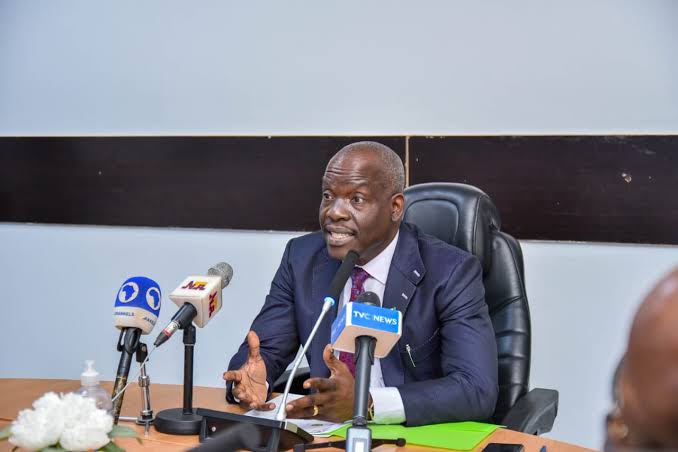
Speaking at a stakeholders’ forum in Abuja, reported by our correspondence, the Chief Executive Officer of NUPRC, Engr. Gbenga Komolafe confirmed that the Commission had identified and cataloged 273 different fees, levies, and statutory payments imposed across various government agencies within the sector.
“The multiplicity of fees has created confusion, discouraged investment, and led to unnecessary duplication of regulatory functions. We are working in collaboration with relevant stakeholders to harmonize these charges into a single, simplified structure,” Komolafe said.
The harmonization process is being carried out in partnership with the Nigerian Midstream and Downstream Petroleum Regulatory Authority (NMDPRA), the Federal Inland Revenue Service (FIRS), and other regulatory agencies.
According to Komolafe, the aim is to ensure all fees are justifiable, transparent, and aligned with global best practices.
Stakeholders across the oil and gas value chain have lauded the initiative, describing it as timely and necessary for unlocking Nigeria’s full petroleum potential.
“This move will certainly reduce regulatory friction and create a more investor-friendly climate,” said Kelechi Amadi, a petroleum economist.
“It’s an essential step towards optimizing operations and encouraging both local and foreign investment.”
Analysts believe that harmonizing the charges will not only enhance compliance but also improve revenue collection and accountability in the sector.
By reducing the number of interfaces with regulatory bodies, operators will have a clearer understanding of their obligations and can plan better.
Komolafe further noted that the harmonization aligns with the Petroleum Industry Act (PIA) 2021, which mandates regulatory clarity, efficiency, and cost-effective governance of the industry.
“We are committed to implementing the PIA in full. The harmonization of fees will be concluded in phases, and the final framework will be gazetted and made public,” he assured.
The Federal Government’s broader energy reforms, including the recent review of oil field licenses and efforts to curb pipeline vandalism, reflect a renewed commitment to transforming Nigeria’s oil and gas sector into a globally competitive and transparent industry.
With crude oil still a major foreign exchange earner for the country, experts believe that streamlining financial obligations and regulatory oversight could be the catalyst needed to restore confidence, boost production, and attract long-term investments.
The harmonization process is expected to be completed before the end of the year, with implementation beginning shortly thereafter.
