
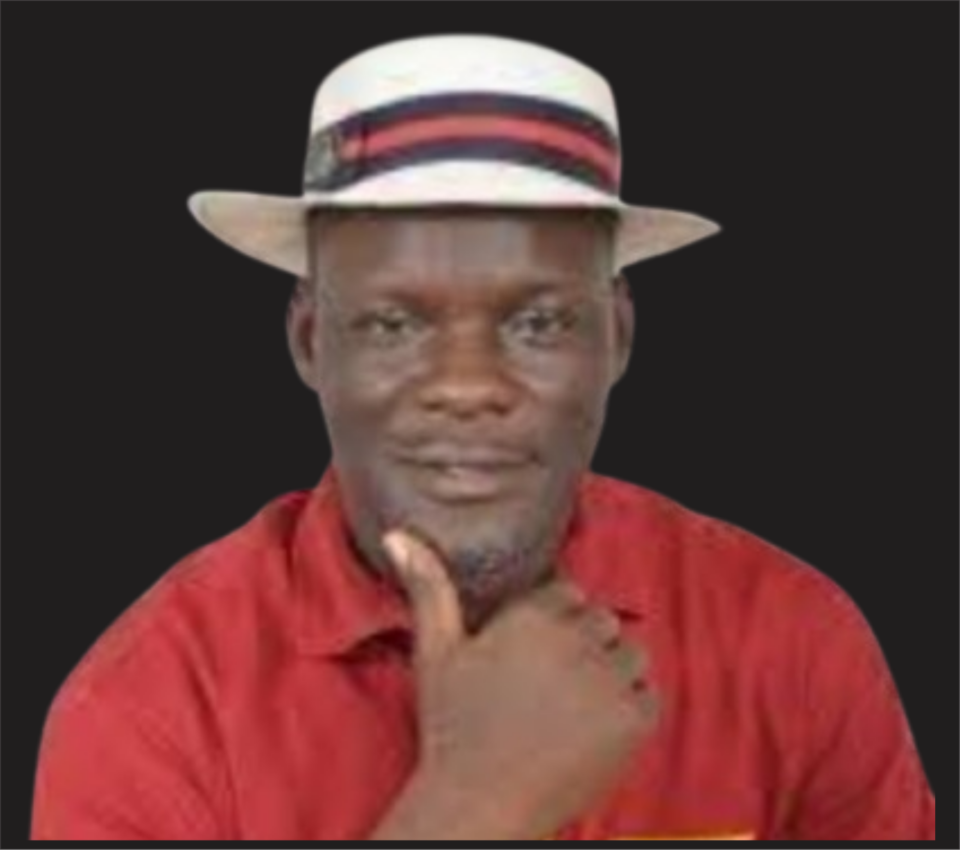
Delta’s Uneven Distribution of Educational Institutions Sparks Outrage as Mulade Calls for Ijaw Inclusion.
An Ijaw leader and development advocate, Comrade Mulade Sheriff, PhD, has accused the Delta State Government of systematic marginalisation and neglect of Ijaw communities, particularly in the placement and development of educational institutions across the state.
Describing the situation as “unjust, provocative, and unacceptable in a democratic society,” Mulade said the persistent exclusion of Ijaw areas from the siting of state-owned educational institutions amounts to structural discrimination, despite the region’s significant contribution to Delta State’s economic survival.
“It is painful and unacceptable that a people whose land produces a substantial portion of the wealth sustaining this state are treated as second-class citizens in development, especially in higher education,” he said. “This is not only unfair; it is dangerous to the unity and future of Delta State.”
Mulade listed existing state-owned tertiary and professional institutions in the state, noting that the overwhelming majority are located outside Ijaw territories. These include:
State-Owned Universities
- Delta State University, Abraka
- Southern Delta State University of Science and Technology, Ozoro
- Southern Delta State University of Science and Technology, Orerokpe Campus
- Dennis Osadebay University, Asaba
- University of Delta, Agbor
Colleges of Education and Health Institutions
- Federal College of Education (Technical), Asaba
- College of Education, Edjeba Road, Warri
- Delta State College of Physical Education, Mosogar
- School of Midwifery, Asaba
- State School of Nursing, Edjeba, Warri
- College of Nursing Science, Sapele
State-Owned Polytechnic Institutions
- Delta State Polytechnic, Ogwashi-Uku
- Delta State Polytechnic, Otefe-Oghara
- Delta State School of Marine Technology, Burutu (noted for poor infrastructure and limited capacity)
According to Mulade, only the Delta State School of Marine Technology in Burutu is located in Ijaw land, a situation he described as “appalling, insulting, and indefensible.”
“One institution for an entire ethnic nationality that contributes massively to the state’s oil wealth is not mere marginalisation; it reflects a deliberate policy of neglect,” he declared.
The rights activist further lamented that while Ijaw communities endure the environmental consequences of oil exploration—such as polluted waterways, devastated farmlands, and serious health risks—they are consistently denied meaningful development, particularly in education.
“Our youths are denied opportunities not because they lack potential, but because development has been deliberately kept away from our communities. This imbalance is breeding frustration and must be urgently addressed,” he warned.
Mulade, who is also the Ibe-Sorimowei of the ancient oil-rich Gbaramatu Kingdom, called on Governor Sheriff Oborevwori to rise above political considerations and take decisive steps to correct the imbalance. He urged the state government to prioritise the siting of new educational institutions in Ijaw areas, upgrade existing facilities, and appoint qualified Ijaw sons and daughters as vice-chancellors and other principal officers within Delta State’s educational system.
“Governor Oborevwori must demonstrate that he is a governor for all Deltans, not for a select few. The Ijaw people deserve fairness, inclusion, and respect. Educational development is not a privilege; it is our right,” he said.
He warned that continued neglect of Ijaw communities could deepen alienation and undermine the people’s sense of belonging within the state.
Call for Equity and Justice
Mulade concluded by calling on civil society organisations, traditional institutions, youth groups, and other stakeholders across Delta State to speak out against structural injustice and advocate for a more equitable distribution of development.
“This is not merely an Ijaw issue; it is a matter of justice. No state can achieve sustainable development while a significant segment of its population remains consistently excluded,” he stated.
