
INFORMAL RECYCLERS TURN TRASH INTO TREASURE IN PORT HARCOURT
In the early hours of the day, across several communities in Port Harcourt, the sound of jingling iron rings and familiar street cries signal the arrival of informal recyclers.
Dressed casually and carrying sacks, men like Nnamdi roam through neighborhoods collecting discarded items. “Iron condemn, condemn fridge, condemn radio, all the condemn, I dey buy,” they call out as they knock metal rings together.
These recyclers, often overlooked are crucial actors in the city’s battle against waste.
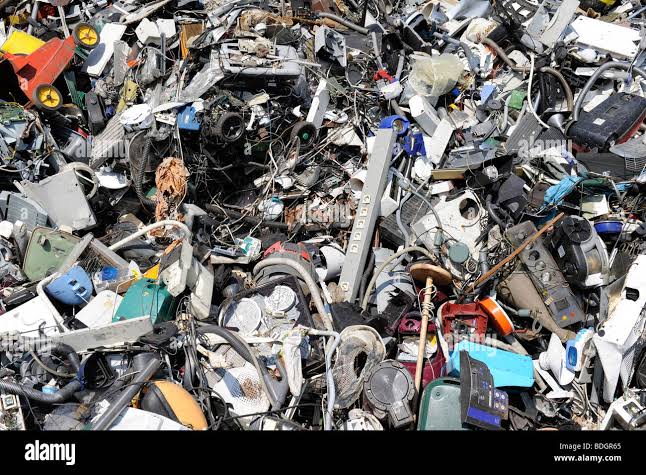
Armed with magnets and hooked rods, they comb through gutters and garbage heaps, pulling out items others ignore. Their tools also include cash, which they offer in exchange for seemingly useless objects, providing households with small earnings while reducing refuse in drains and streets.
For individuals like Mr. Peter, waste picking has become a form of employment. And in a city where formal waste collection remains inefficient, such informal systems play an essential role.
According to a 2017 World Bank report, Nigeria generates approximately 32 million metric tons of solid waste annually, a figure expected to rise to 107 million tons by 2050. Despite this, only 20% of the waste is formally collected, according to the National Policy on Solid Waste Management (2020). With a population exceeding 200 million, Nigeria is the ninth-largest producer of plastic waste globally.
In Port Harcourt, this crisis is visible. Streets and waterways are often blocked by plastic, aluminum, iron, and organic waste. Informal settlements suffer the most, with floods and contamination made worse by inadequate drainage and infrastructure.
In Bundu waterfront, the nearest formal dumpsite is a 15-minute uphill walk, discouraging many residents from using it.
“I go by myself to throw my waste into the river around my community,” confessed Mrs. Ogechi Godknows.
“This Is Cool Money”: Inside the Business of Waste Collection
Mr. Douglas, a veteran waste collector with over two decades of experience, sees opportunity where others see filth.
With a team of five, each earning at least ₦20,000 monthly, he pushes a cart through neighborhoods like Trans-Amadi, signaling with a loud honk: “Peee, Peee Peeep!”
“This is my own oil company,” Douglas says. “I don’t go begging. This is where I sign my cheque.”
Douglas collects, sorts, and sells waste. After being paid by clients to remove garbage, he carefully categorizes materials, paper, plastic, glass, aluminum and sells them to scrap centers. On some days, he finds forgotten valuables: shoes, wristwatches, even money.
“I no thief am,” he says with a smile. “I dress with am.”
Collected waste is scaled, heavier loads earn higher returns. Scrap centers across the city are filled with sorted materials, stored in designated zones, bottles tied in mosquito nets, aluminum in one corner, cardboard protected from rain.
At one center, two Hausa-speaking men weigh Douglas’ haul, 4.5kg of recyclables, fetching ₦200 per kilo.
From these scrap hubs, waste is transported to formal recycling firms like Recyclift Recycling Technology Company in Obio/Akpor Local Government Area.
“We buy PET bottles from all these scaling centers,” says Director Irege. Originally collecting waste directly from households, Recyclift now buys from informal pickers, paying as much as ₦500 per kilo.
Their goa, recycle 100 tons of plastic weekly. “We crush 3 tons of plastic in four hours,” Irege notes. With over 50 workers rotating between day and night shifts, the company is a key player in Port Harcourt’s waste economy.
Victor, a machine operator and Mass Communication graduate, left teaching to join Recyclift. Now earning ₦80,000 monthly, he praises the job for its extra incentives and flexible side earnings.
“I also sell plastics I gather back to the company,” he adds.
Under Recyclift’s canopies, women deftly remove plastic rings and caps from bottles, their hands moving in rhythm. “We employ the unemployable,” Irege says proudly.
One worker, Grace, shared her journey: “I no get money to sell market. My neighbor naim tell me about this place.”
After sorting and washing, the bottles are packed into ₦2,500 mosquito nets, weighed, and processed into plastic pellets for export. The company’s operations, however, come with challenges. Rent is high, and maintaining equipment is costly.
Transporting waste from neighboring states can cost up to ₦350,000 per trip. A 150KVA generator guzzles 50 liters of diesel daily, costing at least ₦50,000.
“Despite the challenges, as long as waste is generated, we will continue our work,” says CEO Barr. Ijele, a trained lawyer turned recycler.
Environmental experts emphasize the urgency. In a phone interview, climate expert Julie Greenwalt warned, “Plastic production relies heavily on fossil fuels. The more plastics we produce, the more we depend on oil.”
Greenwalt advocates recycling as a key solution to plastic pollution. “It reduces waste in the streets, prevents flooding, and keeps the environment cleaner,” she added.
Burning waste, once common, is slowly giving way to more sustainable practices.
Thanks to companies like Recyclift and the city’s informal recyclers, waste in Port Harcourt is transforming from burden to opportunity; creating jobs, reducing pollution, and supporting a circular economy.
